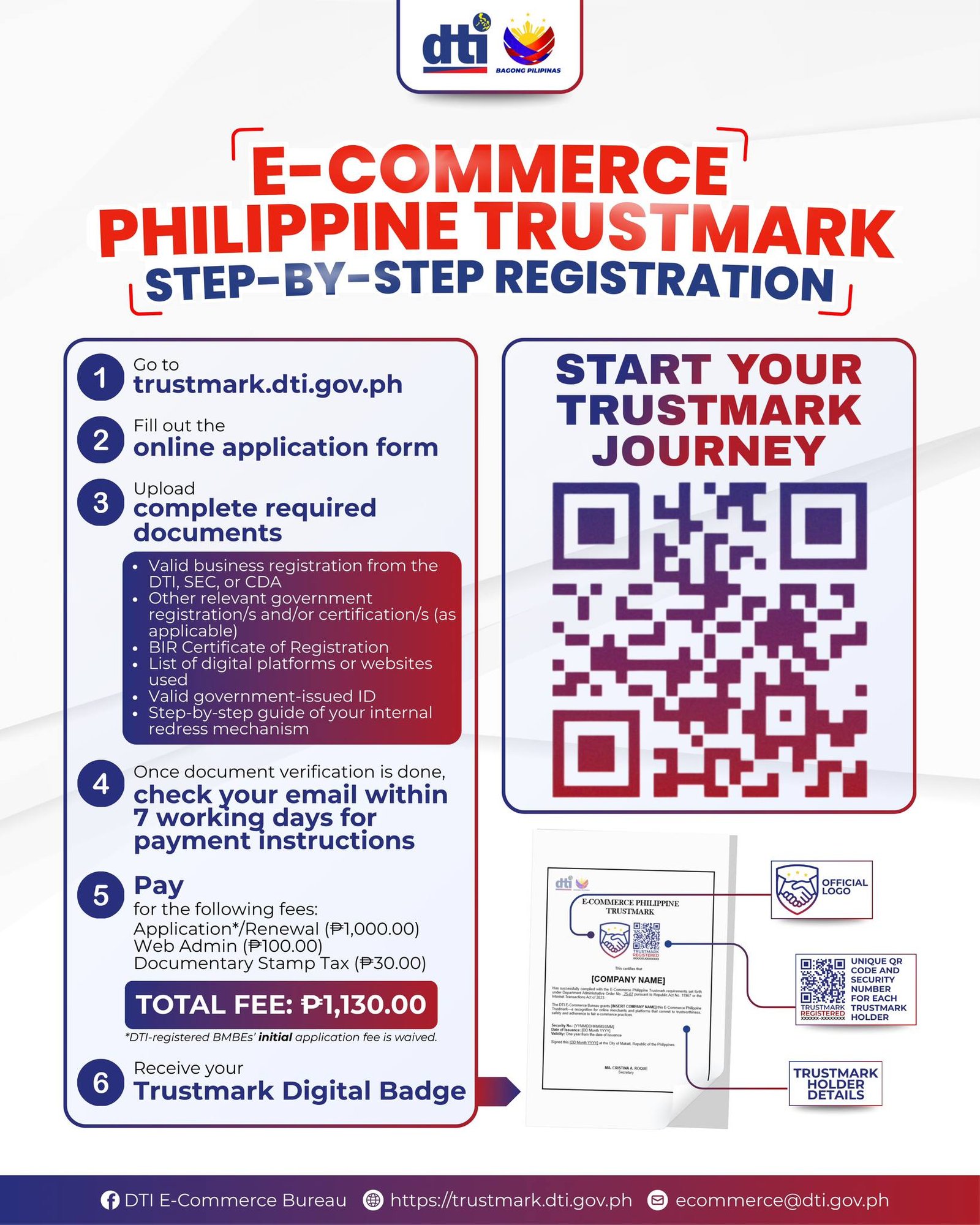
The Philippines has wholeheartedly embraced the digital age, with e-commerce becoming an indispensable part of daily life. From groceries to gadgets, everything is just a click away. This convenience, however, comes with a critical caveat: the increasing need for robust cyber safety and cybersecurity measures. The Department of Trade and Industry (DTI) has recognized this need with initiatives like the DTI Philippines Trustmark, an effort to build trust in our online marketplace. But how far does it go, and what more do we need to do?
The DTI Trustmark is a welcome development, aiming to be a symbol of reliability for online transactions. Let’s break down its strengths:
Pros that Boost Confidence:
These benefits paint a picture of a more secure digital landscape, fostering growth and confidence.
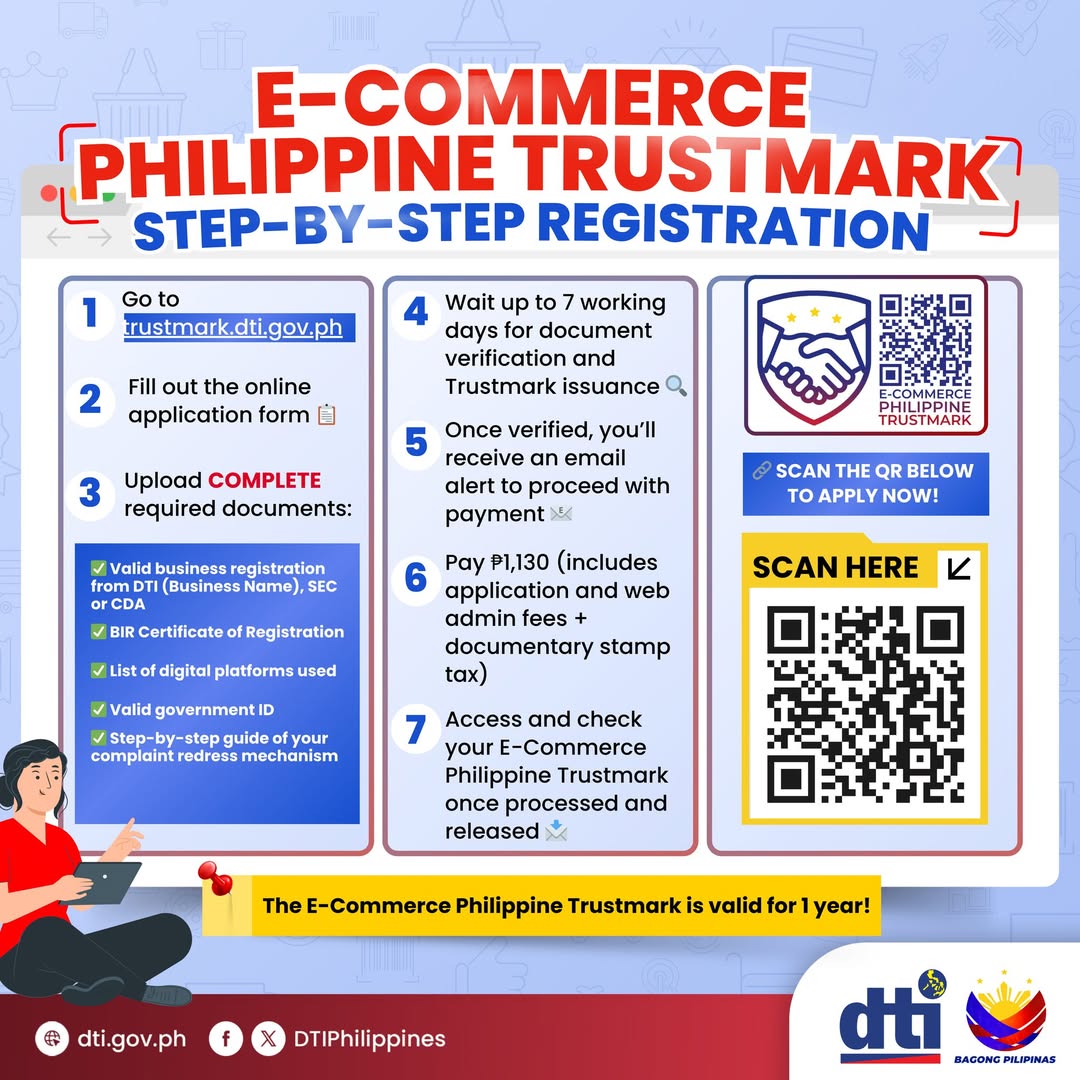
However, the Trustmark, while valuable, isn’t a complete solution. It highlights inherent challenges in our cyber landscape:
Cons that Raise Concerns:
These limitations underscore a crucial point: cyber safety and cybersecurity are far more encompassing than just business legitimacy.
Cybersecurity Briefing for Philippine MSMEs
7 Cybersecurity Strategies to Help Protect Your Online Presence
The DTI Trustmark’s strengths and weaknesses perfectly illustrate why a comprehensive approach to cyber safety and cybersecurity is paramount in the Philippines.
1. Protecting Our Personal Data. The data privacy concern with the Trustmark’s QR code requirement is a microcosm of a larger national issue. Filipinos frequently share personal information online, often without fully understanding the risks. Phishing, smishing, and other social engineering tactics thrive on this. We need:
2. Bolstering Business Resilience. While the Trustmark helps legitimate businesses, all online enterprises, regardless of size, are targets for cybercriminals. Ransomware attacks, data breaches, and service disruptions can cripple businesses and erode consumer trust.
Cybersecurity Training for SMEs. Many small businesses lack the resources or knowledge to implement adequate cybersecurity. Accessible, affordable training is vital.
Government Support for Secure Tech. Incentivizing the adoption of secure e-commerce platforms and cybersecurity tools can help.
3. A Unified Front Against Cybercrime. Cybercrime knows no borders. The limitation of the Trustmark to local sellers highlights the need for international cooperation.
Cross-Border Collaboration. Philippine law enforcement and cybersecurity agencies must work closely with international counterparts to combat global cybercriminal syndicates.
Continuous Policy Evolution. As technology evolves, so too must our laws and regulations. The Internet Transactions Act is a good start, but constant review and adaptation are necessary.
Related News:
Google.org and The Asia Foundation Partner on $5M Cybersecurity Initiative in Asia
APAC Cybersecurity Fund Overview
Insights from the APAC Cybersecurity Fund Workshop
The DTI Trustmark is a commendable step towards a safer online marketplace. It provides a foundational layer of trust. However, true cyber safety and cybersecurity in the Philippines require a multi-faceted approach. It’s a shared responsibility among:
Let’s not only look for the DTI Trustmark but also cultivate a national culture of cyber awareness and security. Only then can we truly harness the power and convenience of the digital world without falling victim to its inherent dangers.
What are your thoughts on the DTI Trustmark and the state of cyber safety in the Philippines? Share your comments below!