Stop Deepfakes: Protect Your CEO and Brand
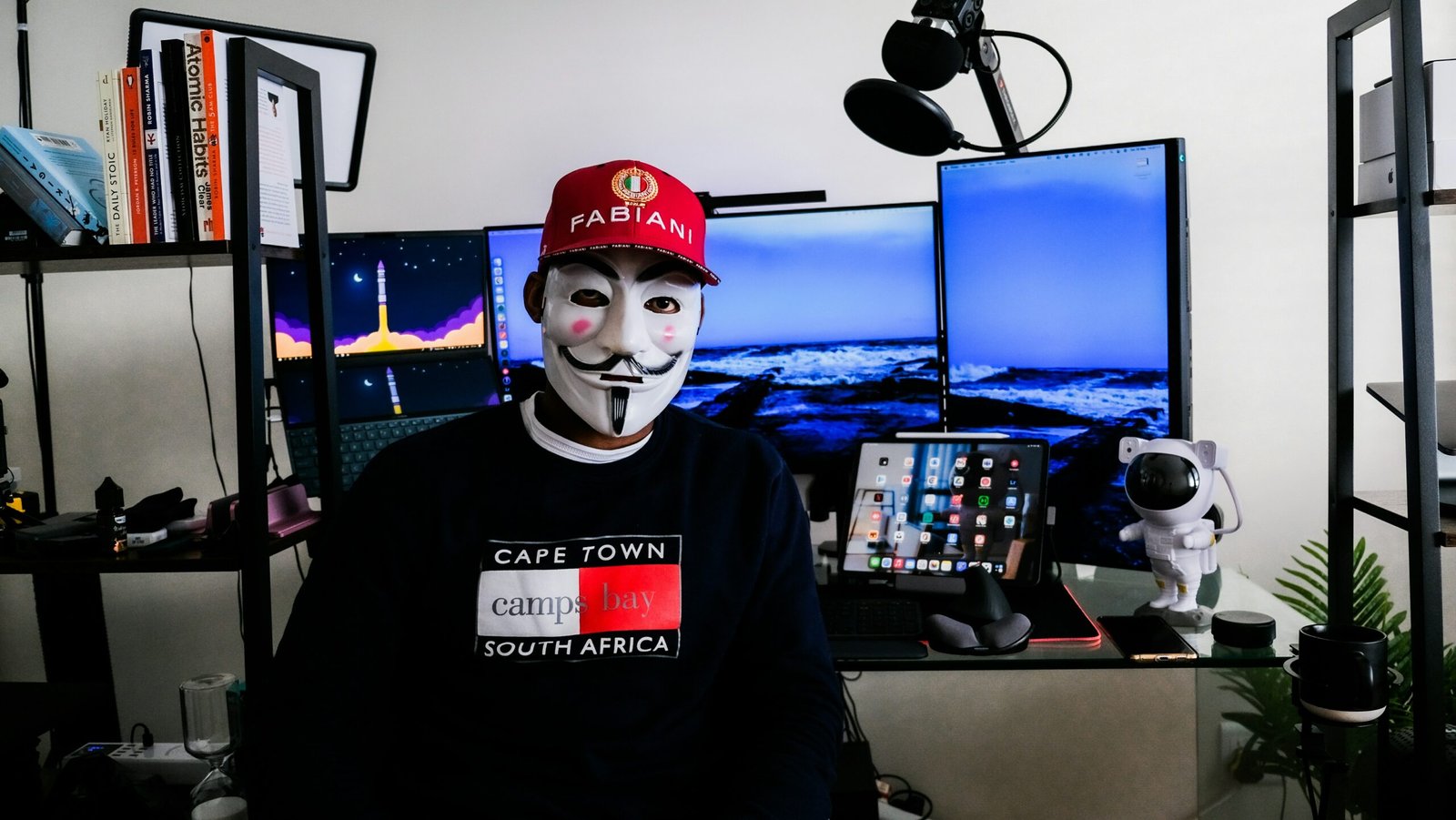
In 2026, the digital world is buzzing with amazing innovations. But with great power comes… well, sophisticated scams. One of the biggest threats facing businesses today isn’t just a phishing email; it’s a deepfake.
Imagine getting an urgent video call from your CEO. Their face, their voice, their usual mannerisms are all there. They tell you to transfer a large sum of money or share sensitive company data. You do it, thinking it’s a critical, time-sensitive request. Only later do you discover it wasn’t your CEO at all. It was an incredibly realistic deepfake, and your company has just lost a fortune.
This isn’t science fiction anymore. It’s happening. And the ability to tell real from fake is getting harder every day. This is why every company needs a “Deepfake Defense Kit.”
What is a Deepfake and Why Should You Care?
A deepfake is a video or audio file that has been manipulated using artificial intelligence (AI) to make it appear as if someone is saying or doing something they never did. Think of it as Photoshop for video and audio, but infinitely more powerful and realistic.
 Why is this a problem for your business?
Financial Fraud: As in the example above, deepfakes can be used to trick employees into making unauthorized financial transfers.
Reputation Damage: A deepfake of your CEO making controversial statements could severely harm your brand’s image and trust.
Insider Threat: Attackers could use deepfakes to gain access to sensitive information or systems by impersonating high-ranking officials.
Market Manipulation: A fake announcement could cause stock prices to fluctuate dramatically.
The line between reality and deception is blurring. This creates what experts call the “Liar’s Dividend”, where real events are doubted as fake, and fake events are believed as real. Protecting your leaders’ digital likeness isn’t just a good idea; it’s a must-have for corporate security.
Your Deepfake Defense Kit: Practical Steps for Protection
We’ve put together a comprehensive “Deepfake Defense Kit” with practical steps you can take right now to protect your company. It’s broken down into three easy-to-understand parts: education, technical checks, and what to do if a deepfake hits.
Part 1: The Human Firewall – Educating Your Team
Your employees are your first and best line of defense. They need to be equipped with the knowledge to spot and question suspicious communications.
1. The “Verification Protocol”: Always Double-Check
The Golden Rule: If you get an urgent request (especially for money or sensitive data) via a video or voice call from a leader, always verify it through a completely separate channel. Don’t just reply to the email or call back the same number. Send a text, a direct message on an internal chat system (like Slack), or make a pre-arranged phone call to a known number.
Think “Out-of-Band”: This simply means using a different method of communication. If the “CEO” calls you, text their known mobile number to confirm the request.
Use a “Secret Word”: For truly critical requests, set up a rotating “safeword” with key individuals (like your CEO, their assistant, and the CFO). This word should be known only to them and never shared digitally. If a deepfake asks for something urgent, a real person will know the secret word; a deepfake won’t.

2. “Prove You’re Live” Drills: Simple Tests for Video Calls
Teach your team some easy ways to subtly check if someone on a video call might be a deepfake. These actions are often hard for current AI systems to perfectly replicate.
Simple Head Turn: “Could you just turn your head ninety degrees to the side for a moment?”
Hand Wave: “Could you wave your hand in front of your face for a second?”
Ask for a Specific Object: “Could you briefly show me that pen on your desk?”
Related Posts:
Cyber Safety: Non-Negotiable in PH
7 Cybersecurity Strategies to Help Protect Your Online Presence
3. Spotting the “Glitch”: What to Look For
Deepfakes are getting good, but they’re not perfect. Share these common signs that something might be off:
Unnatural Blinking: The person might blink too often, too little, or in a perfectly rhythmic, robotic way.
Lip Sync Problems: The audio might not perfectly match the mouth movements. Look for a slight delay (even half a second) between speech and lip movement.
Odd Lighting: The light and shadows on the person’s face might not match the lighting in the background of the video.
Strange Skin Texture or Hair: Sometimes, the edges of the face, hair, or skin might look a little too smooth, blurry, or unnaturally perfect.
Background Oddities: The background might flicker, distort, or seem a bit “off.”
Part 2: Likeness Hardening – Technical Defenses
Beyond educating your team, there are technical steps your IT and security teams should be taking to strengthen your defenses.
- Secure Your Logins: Use advanced login methods that require more than just a password, like fingerprint or face scans (known as “biometrics”). Crucially, make sure these systems have “liveness detection” to ensure it’s a real person, not just a picture or video.
- Monitor Communications: There are specialized AI tools (like Pindrop or Sensity) that can listen to voice calls and watch video streams in real-time for signs of deepfake manipulation. Consider deploying these on your communication platforms (like Zoom or Teams).
- Digital Watermarks for Official Content: When your company releases official videos of your leaders, use digital watermarking technology (like C2PA). This embeds hidden information into the video that proves it hasn’t been tampered with. It’s like a “blue checkmark” for your video files.
- Protect Your Devices: Regularly check the computers and phones of your executive assistants and finance teams. Attackers often try to redirect them to fake websites that look real, but are designed to capture information or stream deepfakes.
Part 3: What to Do If a Deepfake Strikes – Your Incident Plan
Even with the best defenses, a deepfake attack might happen. Having a clear plan can minimize the damage.
Stop the Bleeding: If you suspect a deepfake has led to a security breach or financial transfer, immediately lock down any compromised accounts and halt any pending money transfers.
Verify the Fake: Use deepfake analysis tools (like those offered by companies like Microsoft) to confirm if the media is indeed manipulated. This report will be crucial for legal and public relations.
Get the Truth Out: Have a pre-written statement ready to go. Use all your official communication channels (website, social media) to inform employees and the public that a deepfake is circulating and what the real facts are. Create a dedicated “Source of Truth” page on your website where people can verify any statements from your leadership.
Takedown Requests: Act quickly to get the fake content removed from social media platforms. Establish contacts with major platforms (like X, Meta, LinkedIn) beforehand to speed up the process.
The Future of Deepfake Defense
The fight against deepfakes is ongoing. As AI gets smarter, so do the defenses. Some companies are even creating their own “authorized” AI avatars of their CEOs, intentionally making them slightly lower quality or with specific watermarks. The idea is to flood the internet with easily identifiable fakes so that any truly malicious, high-quality deepfake stands out as an anomaly.
Protecting your brand and your leaders from deepfake scams is a critical business priority. By educating your team, implementing technical safeguards, and having a solid incident response plan, you can build a strong defense against this evolving threat.
Don’t wait until it’s too late. Start building your Deepfake Defense Kit today.