‘Zero-Budget’ MSMEs and Startups: Thrive Without Breaking the Bank
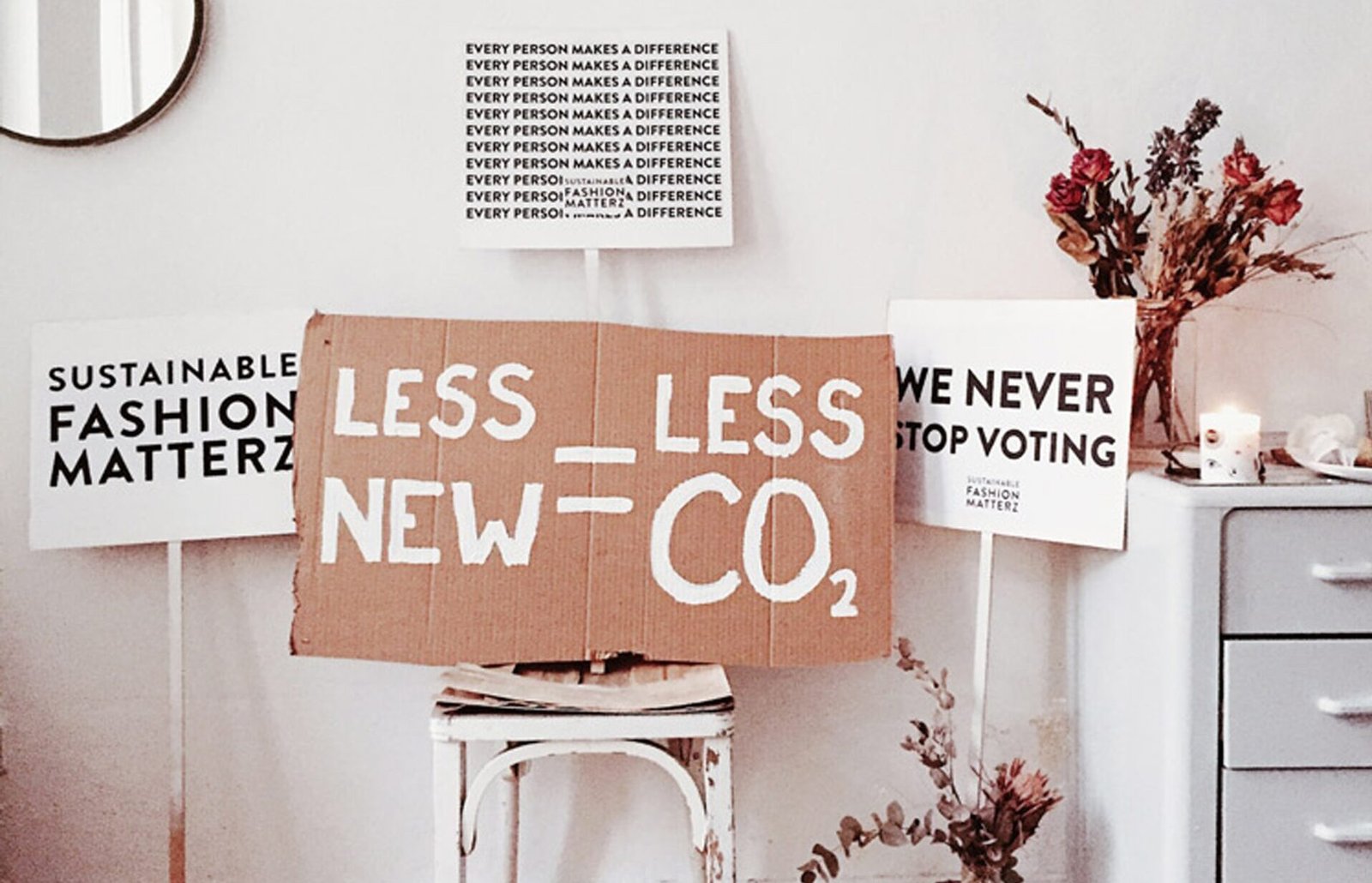
 As a startup founder, I know that every penny counts. That’s why I’m passionate about sustainable frugality. It’s a way to save money and reduce your environmental impact at the same time.
One of the best ways to embrace sustainable frugality is to use zero-based budgeting. This means starting your budget from scratch and justifying every expense. This forces you to be mindful of where you’re spending your money and to identify areas where you can save.
“Sustainable frugality is living simply and consuming less, while still enjoying a high quality of life. It’s about making conscious choices about what we buy and how we use it, and reducing our impact on the planet.”
Here are a few tips for sustainable frugality in your startup or small business:
- Budget from scratch. Carefully consider each expense and only spend money on what’s essential.
- Prioritize sustainability. When making spending decisions, consider how your choices will impact the environment and society.
- Find the sweet spot. There’s no need to sacrifice sustainability for frugality. Look for ways to save money while also reducing your environmental impact.
Here are a few practical examples:
- Purchase second-hand equipment. This can save money and reduce your carbon footprint.
- Invest in energy-efficient appliances and equipment. This can lead to long-term savings on your energy bills.
- Reduce waste and conserve resources. This can save money on your disposal costs and reduce your environmental impact.
- Support sustainable suppliers. This can help you to reduce the environmental impact of your supply chain.
In addition to saving money, sustainable frugality can also help you to:
- Increase productivity. By automating repetitive tasks and outsourcing non-core aspects of your business, you can free up your team to focus on more strategic and impactful work.
- Gain flexibility. When your spending aligns with your actual needs and growth phases, you have a more flexible cost structure. This makes it easier to adapt to changing market conditions.
- Invest in future wins. The money you save through sustainable frugality can be reinvested in research, marketing, or top talent. This can pave the way for exciting business growth.
Related Posts:
Does digital marketing really work for small businesses with a limited budget?
Boost Ad Engagement by 25%: 6 Tips for Small Business Ad Copywriters
The Dream of Effortless Digital Marketing
Zero-based budgeting is a philosophy that guides and guards your spending, rather than a reactionary attempt to trim costs in response to changing market conditions. When you budget from zero, you have to justify every expense, regardless of how small. This forces you to be more thoughtful about where you spend your money and to identify areas where you can save.
 Trimming costs in response to changing market conditions is often necessary, but it’s not a sustainable long-term strategy. It’s better to be proactive and build a budget that is resilient to unexpected challenges.
Zero-based budgeting has helped many startups and small businesses to make better financial decisions, save money, and grow more efficiently. It’s also helped them to become more resilient in the face of challenges.
If you’re looking for a way to improve your financial planning and build a more successful business, I encourage you to embrace a zero-budget philosophy. It may seem like a no-brainer for companies with funding sources, but it’s a breakthrough formula for startups and small businesses competing in huge markets. Agile companies differentiate themselves by channeling resources where they’re needed most.
I am inspired by some of the people who have written and spoken extensively about sustainable frugality include:
- Naomi Klein, a Canadian author and activist who has written about the intersection of climate change and capitalism.
- Paul Hawken, an American environmentalist and author who has written about the need for a transition to a more sustainable economy.
- Amory Lovins, an American physicist and environmentalist who is a co-founder of the Rocky Mountain Institute.
- Bea Johnson, a French-born American zero-waste advocate and author of the book “Zero Waste Home”
- William McDonough and Michael Braungart, architects and designers who are known for their work on cradle-to-cradle design.
I’m always looking for new ways to embrace sustainable frugality in my own business. If you have any tips, please share them in the comments below!