Why Security is Your Best Marketing Strategy
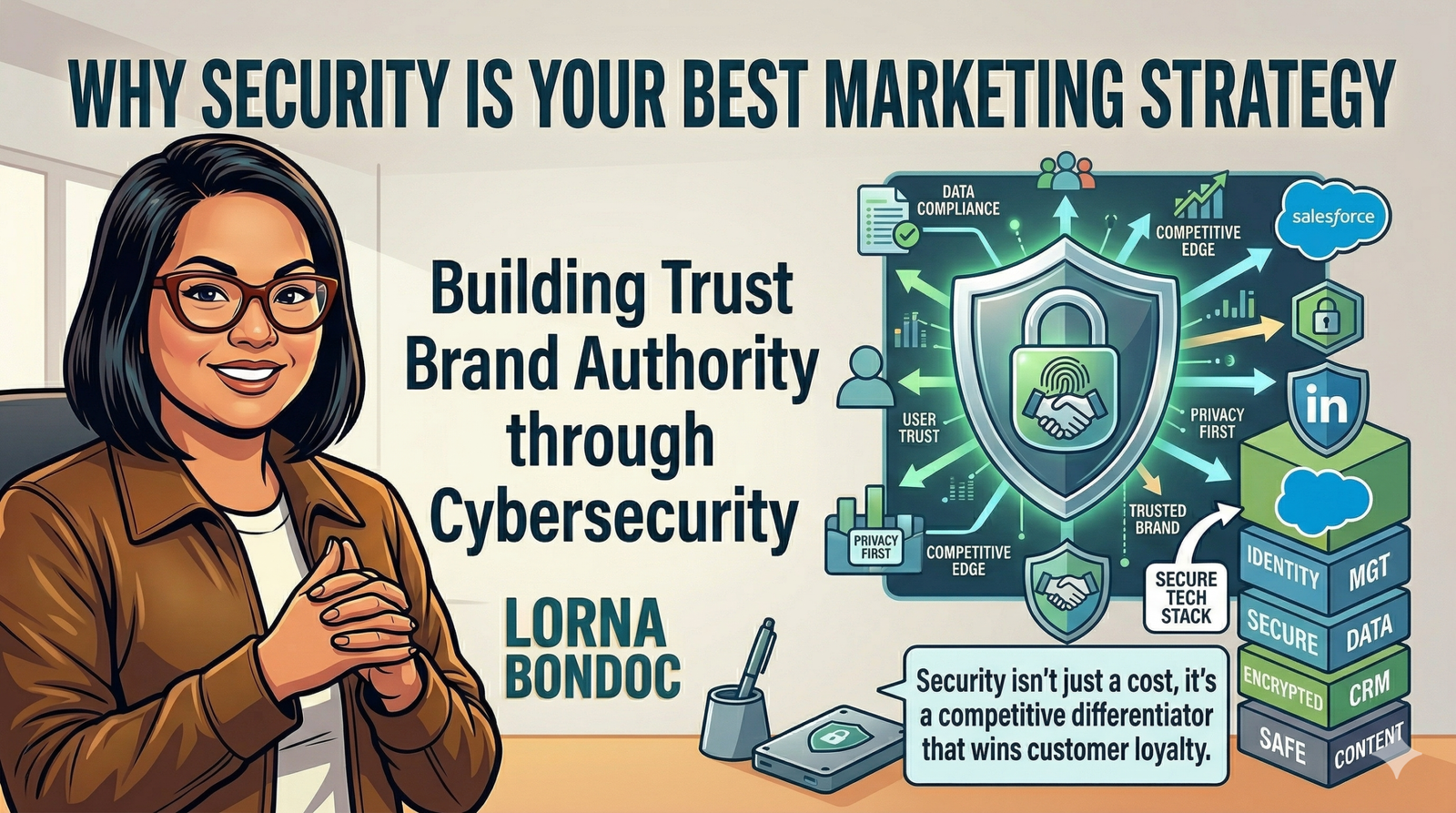
We talk a lot about “growth” in the digital space. We talk about scaling, conversion funnels, and the next big AI tool that’s going to change the game. But after 30 years in IT, BPO, and digital marketing, I’ve learned something that often gets lost in the noise:
You cannot build a sustainable legacy on a foundation of digital sand.
If you’re running a business especially a purpose-driven one, your reputation is your most valuable currency. And in 2026, protecting that currency means moving beyond just “keeping things running.” It means adopting a Data-Secure Lifestyle.
Here is how I approach this at YOVEO Digital, and why I think it’s the shift every entrepreneur needs to make right now.
1. Security Isn’t Just for IT Teams
Early in my career, I saw businesses treat cybersecurity like a chore they could outsource to the basement. Today, that’s a luxury no one has.
Whether you’re an MSME or a social enterprise, you’re responsible for your clients’ data. When I talk about taking that seriously, I mean managing your digital assets with the same protective concern you’d show your family’s savings.
- The Practical Fix: Do a “Digital Hygiene Audit” this weekend. Are you reusing passwords? Do you have Multi-Factor Authentication (MFA) turned on everywhere? It’s not “techy”—it’s professional responsibility.
2. Embrace “Human-in-the-Loop” AI
I am an absolute advocate for AI-enabled workflows—it’s how we orchestrate marketing at scale. But I also believe in Human Guardrails. With the rise of deepfakes and automated misinformation, your brand voice is under threat. If you’re letting AI write, post, and reply without a human vetting the output, you’re leaving the keys to your brand’s integrity on the dashboard.
- The Practical Fix: Use AI to draft, but always use a human to audit for tone, ethics, and accuracy before anything hits the public eye.
3. Build Resilience On and Offline
I’m a huge believer in connecting your digital and real-world presence—where your digital strategy actually serves your real-world community. Whether it’s my work with UN-ITC or building out tech for agricultural ventures, I want my digital footprint to be as resilient as the businesses I serve.
If your digital platforms went down tomorrow, would your community still know how to reach you? Diversify your channels and prioritize owning your data (like your email list) rather than just “renting” space on social media algorithms.
4. Designing for Impact (With Safety)
At YOVEO, our mantra this year is “Design Your Impact.” But true impact requires a stable platform. When we help our partners build their digital infrastructure, we aren’t just looking at the design; we’re looking at the vulnerability.
A beautiful, high-converting website is useless if it’s a leaky bucket for user data.
- Claude’s Invisible Watermark Changes How Marketers Create Content
- What Is Generative Engine Optimization (GEO)? A Plain-English Guide for Small Business Owners
- Everything You Need to Know About Meta One: Features, Pitfalls, and ROI
- How to Get Found by ChatGPT: A Small Business Owner’s Guide
- How to Automate Facebook Messenger: Hand Off Hot Leads & Sync Orders to Google Sheets
The Bottom Line
Being “data-secure” doesn’t have to be intimidating, and it definitely shouldn’t be boring. It’s about being intentional. It’s about moving from digital reactive chaos to proactive protection.
When you treat your data as a sacred trust, your clients feel it. They trust you more, they stay longer, and your brand becomes “un-hackable” in terms of reputation.
I’d love to hear from you: What is one “digital safety” habit you’ve built into your routine this year? Let’s share some best practices in the comments!